
What is MRI Cardiac?
MRI Cardiac is a special heart imaging test. It uses strong magnets and radio waves to create clear pictures of your heart. Because it is non-invasive, doctors do not need to use surgery or insert tools into your body. Instead, you simply lie still while the machine takes images. This test helps doctors see your heart’s structure and how well it works. Often, MRI Cardiac is called a cardiac MRI scan or non-invasive heart scan.
How Does MRI Cardiac Work?
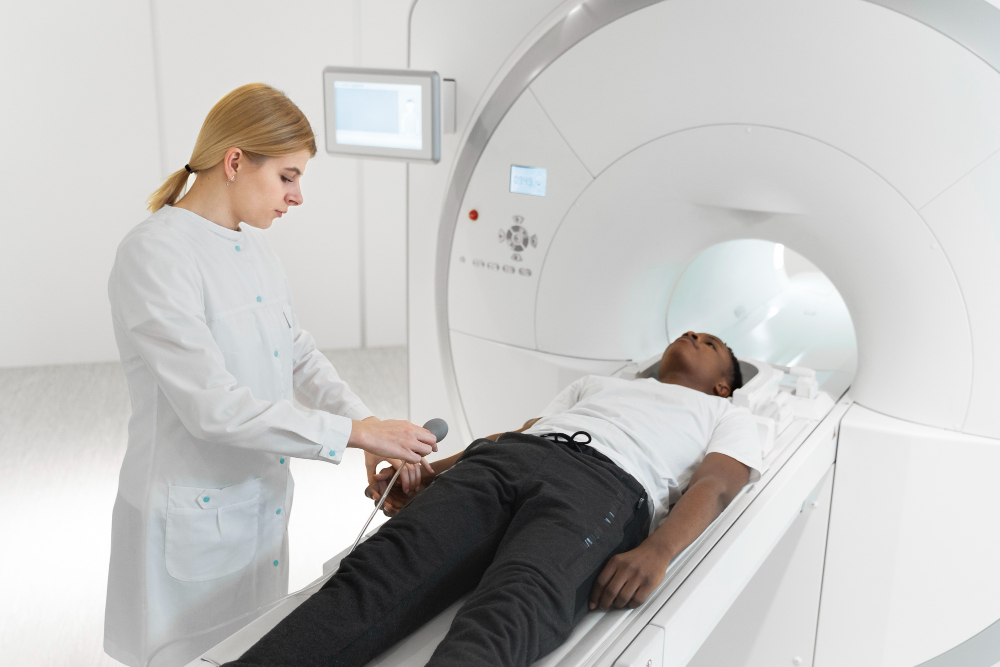
First, you will lie on a table that slides into a large, tube-shaped machine. The MRI machine uses magnets and radio waves to make detailed images of your heart. Unlike X-rays, MRI Cardiac does not use radiation. Instead, it collects signals from your body and turns them into pictures. Because of this, doctors can see your heart’s chambers, valves, and blood flow. Sometimes, a special dye is used to make the images even clearer.
Benefits of MRI Cardiac
MRI Cardiac offers many advantages. For example, it provides detailed images without surgery. Additionally, it helps doctors:
Because MRI Cardiac is non-invasive, there is no pain or recovery time. Also, it is safe for most people.
When is MRI Cardiac Recommended?
Doctors may suggest MRI Cardiac for several reasons. For instance, you might need this test if you have:
Sometimes, MRI Cardiac is used to check how well treatments are working. It can also help plan surgeries or other procedures.
What to Expect During the Procedure
Before the scan, you may need to change into a gown. Next, you will remove metal objects, such as jewelry. Then, you will lie on a table that moves into the MRI machine. During the scan, you must stay very still. This helps create clear images. The test usually takes 30 to 60 minutes. Sometimes, a nurse will give you a dye through a small needle in your arm. This dye helps show certain parts of your heart better. You will hear loud noises from the machine, but earplugs or headphones are often provided. After the test, you can return to normal activities right away.
Risks and Safety of MRI Cardiac
For most people, MRI Cardiac is very safe. Because it does not use radiation, there is less risk than with some other tests. However, some people should not have an MRI. For example, if you have a pacemaker or certain metal implants, tell your doctor. The dye used in some scans is usually safe, but it may cause problems for people with kidney disease. Always let your healthcare team know about your health history before the test.
Frequently Asked Questions
If you have questions about MRI Cardiac or wonder if it is right for you, consult a radiologist or your healthcare provider for personalized advice.