
What is an NT Scan?
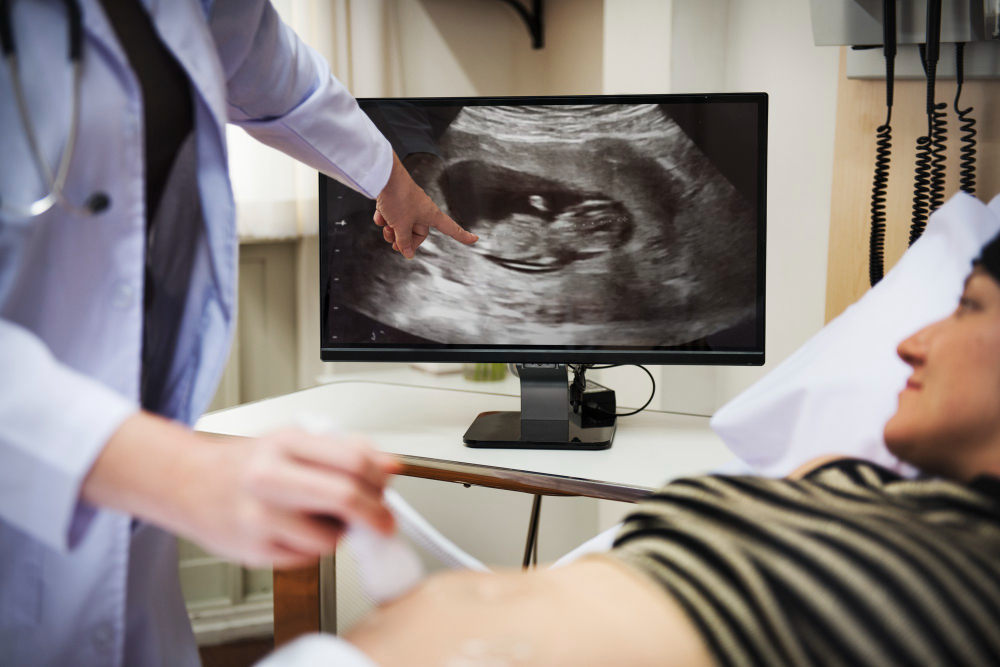
An NT scan in pregnancy is a special ultrasound. It checks the thickness of fluid at the back of a baby’s neck. Doctors call this the nuchal translucency. Usually, this scan happens between 11 and 14 weeks of pregnancy. During this time, the baby is growing fast. Because of this, the scan gives important information early in pregnancy. The NT scan procedure is safe and painless. It helps spot certain health conditions in the baby. For example, it can help find risks for Down syndrome or other chromosomal problems. Most clinics and hospitals offer this scan as part of routine care.
Why is the NT Scan Important During Pregnancy?
The NT scan importance is clear for both mother and baby. Early detection of health risks can help families prepare. Moreover, doctors can plan extra care if needed. Here are some key benefits:
According to the World Health Organization (WHO), early screening improves pregnancy outcomes. Therefore, the NT scan is a helpful tool for expectant mothers.
How is the NT Scan Procedure Performed?
The NT scan procedure is simple and quick. First, you will lie down on an exam table. Next, a technician puts a cool gel on your belly. Then, they use a small device called a transducer. This device sends sound waves to create pictures of your baby. The technician measures the clear space at the back of your baby’s neck. Usually, the whole process takes about 20 to 30 minutes. In some cases, if the baby is not in the right position, you may need to wait or move around. But most of the time, the scan goes smoothly.
How to Prepare for the NT Scan
Although the scan is safe, always tell your doctor about any concerns before the test.
Understanding NT Scan Results
After the NT scan, your doctor will explain the results. The main thing they look at is the thickness of the fluid at the back of the baby’s neck. Usually, a measurement less than 3.5 mm is considered normal. However, a higher value may mean a higher risk for certain conditions. But this does not always mean there is a problem. Often, doctors combine NT scan results with blood tests for a clearer picture. If the risk is high, your doctor may suggest more tests. For example, they might recommend a diagnostic test like amniocentesis. Always remember, only your doctor can explain what the results mean for you and your baby.
Frequently Asked Questions about NT Scan
Tips for Expectant Mothers
Taking care of yourself during pregnancy is important. Here are some tips to help you prepare for your NT scan and support a healthy pregnancy:
For more information, you can visit trusted sources like the Centers for Disease Control and Prevention (CDC) or the WHO.
Consult your healthcare provider or a radiology specialist for personalized guidance on NT scans in pregnancy.