
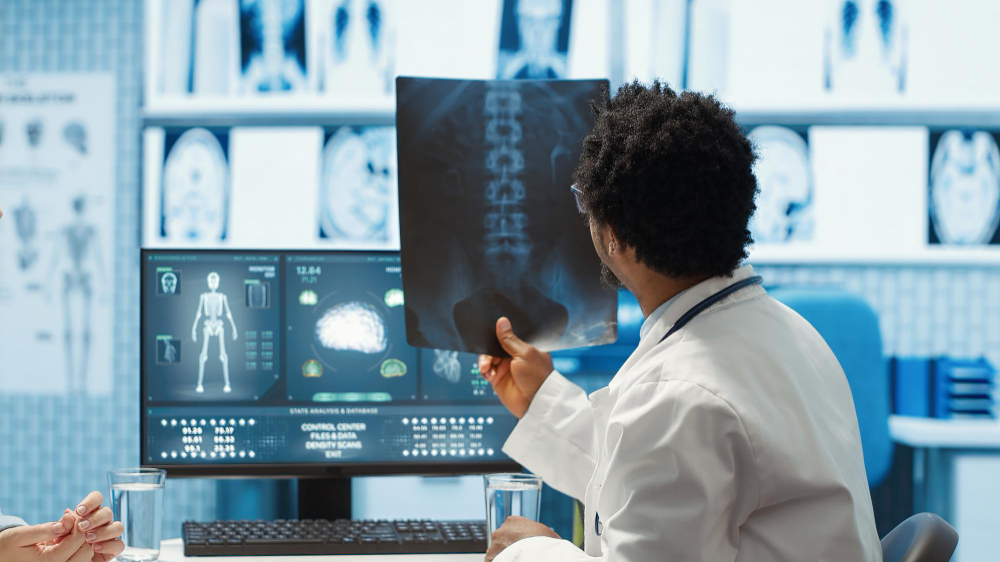
Digital X-rays are a modern way to take pictures inside your body. Many doctors now use digital X-rays instead of older film X-rays. Because digital X-rays use computers, they are faster and often safer. In this blog, you will learn what digital X-rays are, how they work, and why they are important for your health.
What Are Digital X-rays?
Digital X-rays, also called digital radiography, use electronic sensors to capture images. Unlike traditional X-rays, which use film, digital X-rays store pictures on a computer. This makes it easy for doctors to see and share your results. For example, your dentist or doctor can view your X-ray right away. Digital X-rays are used to check bones, teeth, lungs, and other parts of your body.
How Do Digital X-rays Work?
First, a machine sends a small amount of X-ray energy through your body. Then, a digital sensor picks up the image. Next, the computer shows the picture on a screen. Because the process is quick, you spend less time in the X-ray room. Also, doctors can adjust the image to see details more clearly. This helps them find problems faster and more accurately.
Benefits of Digital X-rays
There are many reasons why digital X-rays are popular today. Some key benefits include:
Because of these benefits, digital X-rays are now common in hospitals and clinics.
Safety and Risks
Many people worry about X-ray safety. However, digital X-rays use less radiation than older methods. According to the World Health Organization (WHO), the risk from a single X-ray is very low. Still, doctors only order X-rays when needed. If you are pregnant or think you might be, always tell your doctor before having an X-ray. This helps keep you and your baby safe.
What to Expect During a Digital X-ray
Knowing what happens during a digital X-ray can help you feel calm. Here is what you can expect:
Because digital X-rays are fast, you will not need to wait long for results.
Frequently Asked Questions
If you have questions about digital X-rays, consult a radiology specialist for personalized advice about digital X-rays.